News
September 1, 2026

What if asking better questions could lead to better clients, decisions, and relationships? In Ask More, Frank Sesno explores how purposeful questions can uncover needs, build trust, spark creativity, and strengthen leadership. For real estate professionals, the right questions can turn routine conversations into deeper connections and more effective client relationships.
September 1, 2026

In Why Workplace Wellbeing Matters, Jan-Emmanuel De Neve and George Ward explore how employee wellbeing can directly impact a company’s bottom line. Research shows that happier employees perform better, stay longer, and help attract stronger talent, with workplace satisfaction even linked to better financial results. For real estate firms, investing in people may be one of the smartest ways to strengthen both performance and long-term success.
September 1, 2026

In real estate, saying “yes” can sometimes feel easier than pushing back—even when something doesn’t feel right. In Defy, Dr. Sunita Sah explores how people can move from passive compliance to principled action by recognizing their values and knowing when to speak up. For real estate professionals, the ability to say no may be just as important as knowing when to say yes.
September 1, 2026

Online reviews can strongly influence real estate decisions, but they might not always reflect true service quality. New research finds that larger companies often receive lower online ratings because consumers feel less empathy toward big businesses and are more likely to leave negative reviews than the positive ones. For real estate firms, this star rating may reflect company size as much as client satisfaction, making it important to look beyond the numbers.
September 1, 2026

Loneliness at work may be more than a personal struggle—it can affect how salespeople make decisions and perform. New research finds that social loneliness can reduce ethical behavior, which in turn hurts sales performance. Interestingly, personality matters: agreeableness can buffer these effects, while extraversion may intensify them, offering important insights for managers seeking to support connected, ethical, and high-performing sales teams.
September 1, 2026

Ever feel like a coworker, client, or meeting is stealing your time? New research introduces “wasted time perceptions”—the feeling that someone or something is consuming your time without helping you make progress toward your goals. These perceptions can fuel frustration, lower job satisfaction, and increase intentions to leave, with important implications for how real estate professionals manage client interactions and workplace demands.
September 1, 2026

Can brands really strengthen customer relationships by making fun of their customers? New research shows that playful teasing can humanize a brand, making it feel more like a friend and strengthening consumer connection—but mean-spirited teasing can quickly have the opposite effect. For relationship-driven industries like real estate, the findings highlight how the right kind of humor can build warmth, personality, and trust.
September 1, 2026

Real estate professionals are often expected to do it all—prospect for new business while managing existing clients and service demands. New research reveals that this “hunter and farmer” approach can come with a hidden cost: increased stress, especially when service responsibilities and performance pressures are high. Over time, that stress can erode job satisfaction and potentially contribute to turnover.
June 1, 2026

In Passion Struck, John Sparks emphasizes that meaningful change doesn’t come from big moments alone, but from small, intentional choices compounded over time. Through strategies focused on overcoming self-doubt, eliminating distractions, and taking consistent action, readers learn how to build resilience and momentum toward a more intentional life. Ultimately, the book reframes success as an ongoing practice of conscious engagement, growth, and purposeful leadership.
June 1, 2026

In The Next Conversation: Argue Less, Talk More, Jefferson Fisher shows how the quality of our words shapes the quality of our relationships and results. Rather than focusing on “winning” conversations, Fisher offers a practical framework built on control, confidence, and connection to help navigate difficult interactions. With a trial lawyer’s precision, he demonstrates how to regulate emotion, speak clearly without overexplaining, and keep conversations anchored in shared understanding.
June 1, 2026

Many teams remain stuck in inefficient systems and habits that limit real progress. In Reset: How to Change What’s Not Working, Dan Heath offers a practical approach for breaking through stagnation by identifying small, strategic shifts that can unlock outsized results. He shows how to “restack” existing resources around what truly matters by cutting waste, aligning work with motivation, and empowering teams to act with ownership in order to create meaningful, lasting change without requiring more resources.
June 1, 2026

Disruption is inevitable in today’s real estate market, but it can also create opportunities for growth and innovation. In this research, we explore how adaptive selling and creativity help sales professionals navigate challenges like economic uncertainty, technological change, and shifting buyer behavior. Surprisingly, our research also reveals that micromanagement, often viewed negatively, can actually support agents during chaotic market conditions when used strategically.
June 1, 2026

Why do some agents embrace coaching while others resist it—even when they are highly motivated to succeed? Our research suggests the answer may have less to do with effort and more to do with how coaching is actually delivered. This article explores how managerial vulnerability—leaders openly admitting mistakes, uncertainty, and lessons learned—can make agents more receptive to feedback and more willing to improve.
June 1, 2026

What you share outside of work may say more about your professionalism than you think. New research reveals that meaningful hobbies and leisure activities—like hiking, woodworking, or cooking—can actually enhance how competent and capable clients perceive you to be. For newer professionals in particular, these personal details can help build credibility and connection when experience alone may not yet speak for itself.
June 1, 2026

Competition is part of every sales environment, but not all rivalry leads to success. In this article, we explore how envy can either motivate sales professionals to improve or drive destructive workplace behaviors that hurt performance and culture. Discover the difference between benign and malicious envy—and how agents, managers, and brokerages can channel competition into growth, collaboration, and stronger results.
March 1, 2026

Feeling buried by work and running on empty? This INSIDER examines key ideas from Buy Back Your Time by Dan Martell, offering practical strategies to delegate, automate, and eliminate low-value tasks so you can scale your business without burnout. It’s a must-read for high achievers in real estate who want success that doesn’t come at the cost of their health, relationships, or freedom.
March 1, 2026

Being busy doesn't equal being productive, and busyness may be costing you more than you think. This article unpacks Cal Newport’s Slow Productivity and explains how how doing fewer things, working at a sustainable pace, and obsessing over quality can lead to better results and less burnout. With practical takeaways for real estate agents, this INSIDER offers a refreshing alternative to hustle culture and a smarter path to long-term success.
March 1, 2026

Imagine your customers walking through their dream home before it even exists. Our research shows that mental simulation, the act of vividly imagining experiences, can boost consumer action by up to 34% when done strategically. From pairing descriptive language with visuals to using immersive technology, real estate marketers can turn imagination into action. Discover how understanding the psychology of “seeing it before living it” can give your listings a competitive edge.
March 1, 2026

When does AI actually make marketing more creative, and when does it fall flat? This research examines evidence from creative professionals and thousands of AI systems to show what really works. The takeaway: creativity improves when the right kind of AI is paired with the right task and guided by human judgment. For real estate marketers looking to move faster without losing originality, this framework offers a clear, practical playbook.
March 1, 2026

Closing doesn’t have to feel pushy—and research shows it actually strengthens relationships when done right. This study draws on real sales interactions to challenge long-standing myths about rapport-only meetings and outdated closing “tactics.” The findings reveal that effective closing unfolds in phases, builds trust, and increases customer commitment. For real estate agents, the message is simple: closing isn’t pressure, it’s progress.
March 1, 2026

In a real estate world reshaped by technology and empowered consumers, technical skill alone is no longer enough to drive sales. This research shows how cultivating a “quiet ego”—balancing confidence with empathy and deep listening—helps agents adapt, build trust, and perform better in complex markets. Drawing on positive psychology and data from hundreds of sales professionals, the article reveals why quieter egos activate more effective, adaptive selling behaviors.
March 1, 2026

Salespeople spend hours each week seeking advice—but in competitive environments, that advice isn’t always freely given or equally helpful. This research reveals how individual and team incentives quietly shape who seeks advice, who shares it, and when it actually improves performance. Drawing on data from hundreds of salespeople, our findings expose a paradox: incentives designed to motivate success can unintentionally limit collaboration, which is a critical component of sales success.
December 1, 2025

The ability to reach an audience and to capture their attention is essential for business success, particularly in the digital world, where a plethora of online content, commercials, and social media posts can make it difficult to stand out. In this INSIDER, we explore Brendan Kane's strategies in Hook Point, to help brands build trust, strengthen identity, and create content that truly resonates with clients.
December 1, 2025

Women are often conditioned to shrink their financial goals and settle for "just enough" instead of abundance. In We Should All Be Millionaires, Rachel Rodgers dismantles the cultural barriers holding women—especially women of color—back and offers practical, inspiring strategies for making bold, wealth-building decisions. It’s a compelling invitation to stop settling and start pursuing abundance unapologetically.
December 1, 2025

Multi-issue negotiations are growing more common, making it crucial for salespeople to know how to prepare effectively. This article reveals how different forms of autonomy shape salespeople’s effort, strategy, and opening positions—and why too little autonomy can lead to quick concessions. Our findings offer managers and real estate agents actionable insights to empower negotiators and improve deal outcomes.
December 1, 2025

Sales success is deeply tied to self-esteem, yet most traditional self-esteem measures overlook the realities of modern sales roles. This research offers a new, sales-specific self-esteem model that captures how identity, task confidence, and relationship dynamics shape success. Real estate firms can use these insights to strengthen agent engagement, boost performance, and build a more resilient sales force.
December 1, 2025

Mobile devices now drive the majority of online shopping activity, making it essential to understand how consumers actually view and process mobile ads. This study uses wearable eye-tracking to reveal how different ad elements— text, images, ratings, and price—capture attention differently on smartphones versus PCs. The research offers practical guidance for creating more effective digital ads, helping marketers and real estate professionals boost engagement and conversions.
December 1, 2025

Salespeople face relentless pressure, and new research shows how that stress directly impacts their mental health, performance, and well-being. This study reveals which organizational resources—and access to mental health care—most effectively protect sales teams from burnout while boosting engagement and results. The insights provide a practical framework for firms and managers to build a healthier, more resilient, and higher-performing salesforce.
December 1, 2025

Sales success hinges on aligning what you say with what customers need to hear. This study shows that informational messages work best for goal-driven shoppers, while emotional messages resonate with browsers—and when paired with the right product type, the boost is even stronger. The result is a clear, research-backed strategy that helps real estate professionals close more deals from the very first interaction.
September 1, 2025

What sets great communicators apart isn’t just what they say—it’s how they listen, connect, and adapt. In Supercommunicators, Charles Duhigg reveals practical strategies to simplify complex conversations, build trust through active listening, and tailor communication to any audience. These insights can help individuals transform everyday interactions into meaningful connections that drive personal and professional success.
September 1, 2025
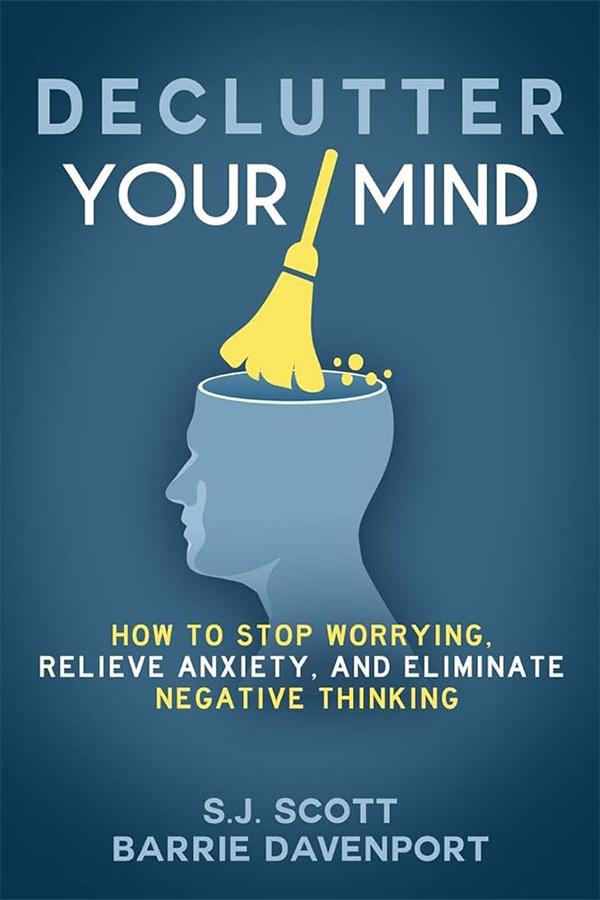
Is your mind constantly buzzing with worries, decisions, and distractions? In Declutter Your Mind, Barrie Davenport and S.J. Scott offer practical, science-backed strategies to quiet mental noise and restore clarity. Through mindfulness, simplification, and intentional living, the authors equip readers with tools to reduce stress, strengthen focus, and create lasting peace of mind.
September 1, 2025

The first 18–24 months can make or break a new salesperson’s career—but where should they focus their energy to drive growth? Our research challenges the one-size-fits-all approach by examining how prospecting, conversion, retention, and growth efforts uniquely impact sales performance. The findings reveal which activities truly drive results, offering sales managers a roadmap to guide early-tenure salespeople toward faster success.
September 1, 2025

Do bigger followings really mean better results? Our research investigates the influencer marketing funnel, from follower engagement to sales impact, and challenges the assumption that macro-influencers always deliver better returns. By comparing real sales data across 1.8 million purchases, we find that smaller influencers often drive stronger engagement, deeper trust, and higher ROI.
September 1, 2025

Why do we put off simple tasks, even the ones that take just a few minutes? Our research reveals that procrastination isn’t just about poor time management, but rather, people rarely consider how long a task will actually take when deciding whether to delay it. By making task duration clear and concrete, we show that individuals are more likely to take timely action—an insight with powerful implications for sales and real estate.
September 1, 2025

Loneliness isn’t just a personal struggle—it’s a hidden business risk. When salespeople feel isolated, their performance suffers, and the ripple effects can damage customer relationships and revenue. This research uncovers how loneliness fuels insecurity, rejection sensitivity, and counterproductive behaviors—and what managers can do to break the cycle.
June 1, 2025
Dan Sullivan and Dr. Ben Hardy’s book, Who Not How, details the benefits of expanding your horizons through teamwork. The fundamental idea posed in the book is a mentality shift from “How can I accomplish this?” to “Who can help me achieve this?” The authors encourage readers to find the Whos—those who can accomplish what you need more effectively than you can on your own.
June 1, 2025
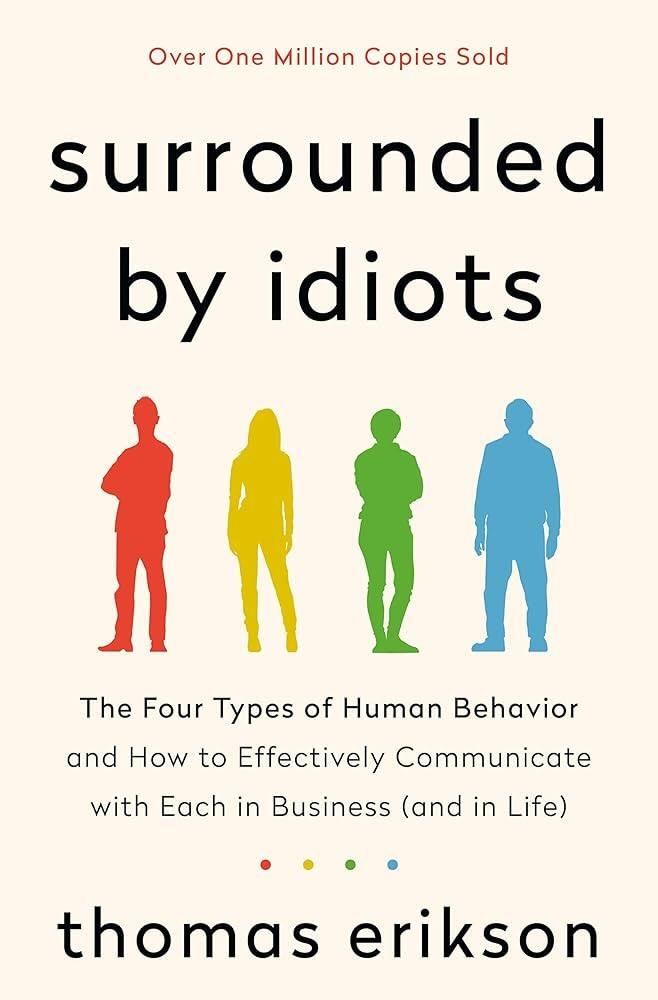
Human behavior is complex and often difficult to understand, but unique combinations of environment and heredity produce the billions of unique personalities around the world. In his book, Surrounded by Idiots, Thomas Erikson takes his own approach toward the challenge of categorizing four “colors” of human behavior, offering insights on improving communication and interpersonal interactions among the diverse color combinations of human behavior.
June 1, 2025

Targeting specific audience segments has emerged as an important practice in online advertising strategies. For advertisers, the primary appeal of online ads is their capacity to target users based on characteristics such as user demographics and online behavior. Recent research supports the notion that targeted ads are more effective, with product users more likely to click. However, as advertisers increasingly pursue targeting, one fundamental question looms—who to target?
June 1, 2025

Salesforce turnover is a major challenge for organizations that leads to increased organizational costs. In this research, we examine if there is a connection between a salesperson’s role focus—whether attracting new sales and new customers (hunting) or maintaining and developing existing business (farming)—salesperson career aspirations, and salesperson turnover intention.
June 1, 2025

Remote work requires supervisor and subordinate interactions to occur via technology, and as a result, there is uncertainty regarding how companies can foster ethical values and work environments when interactions are virtual. Our research aimed to investigate the impact of remote supervision on ethical sales leadership and employee outcomes. Specifically, we sought to understand the extent to which ethical sales leadership can be perceived when supervised remotely.
June 1, 2025

Consumers have a unique lens through which they view the world based on their experiences and values. When it comes to luxury goods, perceptions are complex. Luxury goods are not just items—they represent a person’s identity and status. This is also applicable as a salesperson; you want to look your best and be presentable, but wearing or displaying luxury branded items may negatively impact your business, especially when selling non-luxury items.
March 1, 2025

Adam Grant's Hidden Potential shatters the myth that some people are naturally destined for success. Grant uses fascinating research and compelling stories to show how individuals consistently underestimate their own potential for improvement. This isn't just feel-good advice; he gives actionable tools to unlock hidden abilities and help others do the same.
March 1, 2025

While navigating business, one may find it easy to settle into a steady routine of slow growth. Steadily increasing the quantity of your leads or work hours may seem like a good way to improve results. After all, working harder must always lead to better results, right? Dr. Benjamin Hardy, author of 10x is Easier Than 2x with Dan Sullivan, posits that this is actually the exact opposite of what is going to tap into your greatest potential.
March 1, 2025

Interpersonal aggression is a relational process where the perpetrator acts in an antagonistic or hostile manner towards a victim. It is a serious issue for the work environment, affecting employee psychological and physical well-being, job satisfaction, and performance. Despite widespread understanding of this issue, research still hasn’t determined all antecedents for enacting aggressively at work. In our study, we hypothesize that one’s attachment style and competitive orientation determine whether or not one acts aggressively toward others.
March 1, 2025

As algorithms continue to determine more and more of what we interact with on the Internet every day, questions arise as to the effectiveness, ethicality, and impartiality of these same algorithms. In our research, we undertake a set of studies to determine to what extent algorithms are presenting biased recommendations and further, to what extent people are going along with those biased choices and reinforcing the algorithms’ bias.
March 1, 2025

An important question for organizational citizenship is when and for whom is receiving help beneficial? In organizations, “help” is a prototypical citizenship behavior that can improve relationships among coworkers and contribute to organizational-level outcomes. Despite the general positive perspective regarding helping in the workplace, there are downsides, especially from the recipient’s perspective.
March 1, 2025

Emotional exhaustion in the workplace is an increasingly prevalent concern and often emerges from lengthy exposure to job stressors, such as high workloads, tight deadlines, and the persistent need to manage emotions while adhering to job demands. Although the effects of emotional exhaustion on our home and social life are important to understand, our research focuses on how emotional exhaustion increases or is mitigated at the workplace and throughout the workday.
March 1, 2025

Modern salespeople have myriad options to engage with customers. We hypothesized that the communication format may amplify or reduce the probability of resolving salesperson transgressions that occur during the sales process. While previous research has explored what to say post-transgression, our research explores which communication format is most effective in accomplishing successful post-transgression recovery and repair in the buyer-seller relationship.
December 1, 2024

Diversity is valuable and important, as societal development necessitates all individuals of various backgrounds and experiences being welcomed regardless of their differences. Jason R. Thompson, author of Diversity and Inclusion Matters, addresses the need for diversity in modern companies and how it can be encouraged at all corporate levels.
December 1, 2024

If you've ever struggled to persuade someone to agree with you, Chris Voss has your back in Never Split the Difference. A former hostage negotiator for the FBI, Voss breaks down the secrets of successful negotiations, making it simple for anyone to understand and apply, whether dealing with coworkers, family, or friends.
December 1, 2024

It is now rare to base buying decisions purely on personal recommendations; rather, consumers place significant value on online reviews (both positive and negative). However, consumers do not perceive all online reviews as equally valuable. Reviews can be objective, subjective, or a mix of both. Our research examines which type of review is perceived as more valuable for consumers.
December 1, 2024

When posting online content, sellers want to hold audience attention and make sure readers engage with and remember their content. It turns out that the strategies required to capture sustained engagement can be different from the those which will garner clicks and initial exposure. Our research examines the factors that contribute to holding an audience’s attention, especially with the use of emotional language and textual simplicity.
December 1, 2024

We spend more of our time than ever indoors—in cars, homes, offices, stores, and schools. Meanwhile, spending time outdoors remains invaluable to our mental and physical health. For those who work indoors, getting outside can seem like a luxury amid the demands and stresses of our hectic lives that we simply can’t afford. However, we believe there are effective ways for employees to reconnect and benefit from contact with nature outside of the work day.
December 1, 2024

The advertisement landscape is evolving. While positive advertising appeals often dominate, a new trend has emerged—the rise of audience-targeted negative advertisements, which, in contrast to traditional approaches, employ moderately negative messages directly targeting the audience. The emergence of these advertisements presents a unique opportunity for advertisers to connect with consumers in unconventional ways.
December 1, 2024

Salespeople and sales managers often understandably focus on interactions with the customer. We argue that selling also involves “secondary selling,” or interactions with secondary entities, namely objects and people outside the core salesperson-customer dyad. This research examines whether secondary selling has an impact on a customer’s receptivity to a sales pitch, purchase behavior, feelings about the salesperson, and satisfaction with the sales process.
September 1, 2024

Dan Ariely’s Misbelief provides valuable insight into the reasons why people fall into certain beliefs. With a combination of emotional, cognitive, personal, and social factors, it is possible for anyone to become a misbeliever. In the real estate industry, one can adopt some of these same strategies to get to the core of people’s beliefs and desires in order to best serve customer needs.
September 1, 2024

Humans are most often enriched by the vibrancy of having social connections. Simultaneously, however, these connections can also be detrimental to our well-being. In Healthy Boundaries, Chase Hill outlines how to identify when boundaries are disregarded by our families, friends, and coworkers and offers solutions that can enable us to live healthier, more fulfilling lives.
September 1, 2024

As consumers' perceptions of brand messages evolve, advertisers respond by revisiting their messages and investing more heavily, with North American advertising spending projected to exceed $370 billion by 2024. In this context, brand name, logo, and slogan's semiotic components gain strategic importance in enhancing brand equity. This paper focuses on slogans and examines slogan-related factors that enhance alignment with brand identity.
September 1, 2024

Have you ever noticed how platforms like Zillow and Rover prominently display profile pictures? Our faces are powerful communicators, even online. Facial cues act as potent first impressions, shaping judgments of trustworthiness, competence, and likeability. We investigated whether online profile photos have this effect, demonstrating how perceived facial characteristics influence consumer engagement with real estate agents.
September 1, 2024

Our research seeks to better understand consumer perceptions of sales pressure through the exploration of consumer entitlement, self-perception of high levels of product knowledge and persuasion knowledge, and awareness of sales persuasion tactics. Hopefully, this understanding will help firms prevent situations in which consumers feel pressured to buy and instead will create mutually beneficial sales exchanges.
September 1, 2024

Due to its prevalence, depression has been called the “common cold” of mental health. Depression has direct negative effects on employees such as increased deviant workplace behavior and decreased productivity, and this relationship extends to the salesperson role. We studied how certain personal resources—work adaptability and family work support—along with supervisor support can mitigate the consequences of depression on salesperson performance.
September 1, 2024

Competitive salespeople are driven to achieve their goals, which is associated with high sales performance. However, competition can also be a threat to cohesion as salespeople may become more focused on individual success than the success of the team. We examine the challenge sales managers face of creating a work environment that fosters both competitiveness and cohesion in order to improve both performance and sales force retention.
June 1, 2024
Understanding one's own mind has never been more critical for well-being. Dr. Caroline Leaf's Cleaning Your Mental Mess serves as a guiding light through the landscape of mental health, offering readers a clear path to harness the power within each of us. This power allows us to shape our thoughts, emotions, and ultimately, our lives.
June 1, 2024
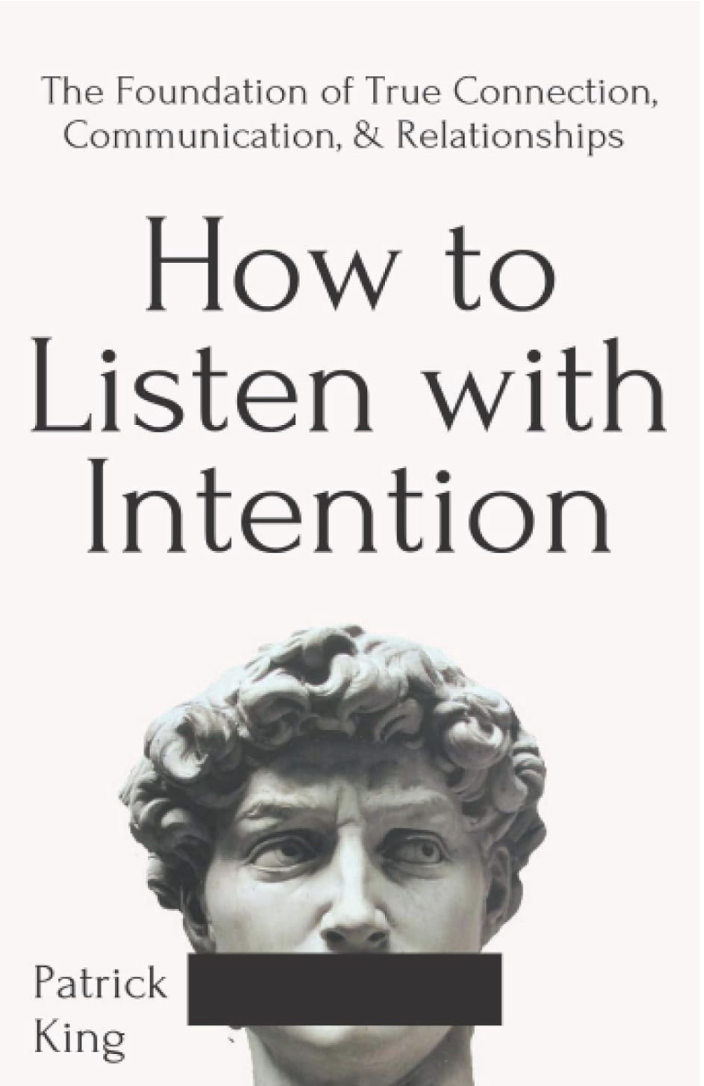
Most people today are exposed to an overload of messages to which they are expected to attend and respond. With access to information instantly at our fingertips, we can find it hard to step back and really hear what someone is communicating. Patrick King’s book, How to Listen with Intention, addresses this challenge and provides helpful strategies for improving skills as listeners, communicators, and conversation partners.
June 1, 2024

Salespeople often have a reputation for being competitive, and the prevailing view might be that having a competitive spirit is suitable and favorable in sales domains. However, research shows that not all people think about competition (or competitors) in the same way. In this paper, we examine how different competitive orientations affect salesperson behavior and performance in the workplace.
June 1, 2024

Syntax is the grammatical formulation of words in a sentence and is vital to the memorability and persuasiveness of marketing messages. In a recent Journal of Marketing study, Atalay et.al. hypothesized that using messaging with a medium level of unexpectedness in the syntax, or syntactic surprise, would be effective in marketing messages. We examine their findings and draw implications to your real estate business.
June 1, 2024

Frequent interruptions during work hours from spouses or children or frequent interruptions to family life from remote work can be significant causes of stress. Mental and emotional resources can be taxed by this overlap, resulting in lower quality of work and lower overall satisfaction for the employee. With this in mind, we conducted a study to see what types of breaks would best contribute to overcoming stress and resource drain while working remotely.
June 1, 2024

It is hard to overstate the importance of online reviews. In today’s world where most product experiences start and/or end online, the experiences of others are more visible and more important than ever. In this research, we discover the most effective time to ask customers for reviews following a product experience.
June 1, 2024

In a competitive marketplace, it seems clear that salespeople's performance can be influenced by those around them, but more often overlooked are the sources and specific manifestations of those influences. Our research aimed to address one factor of this phenomenon, namely personal identification with supervisors.
March 1, 2024
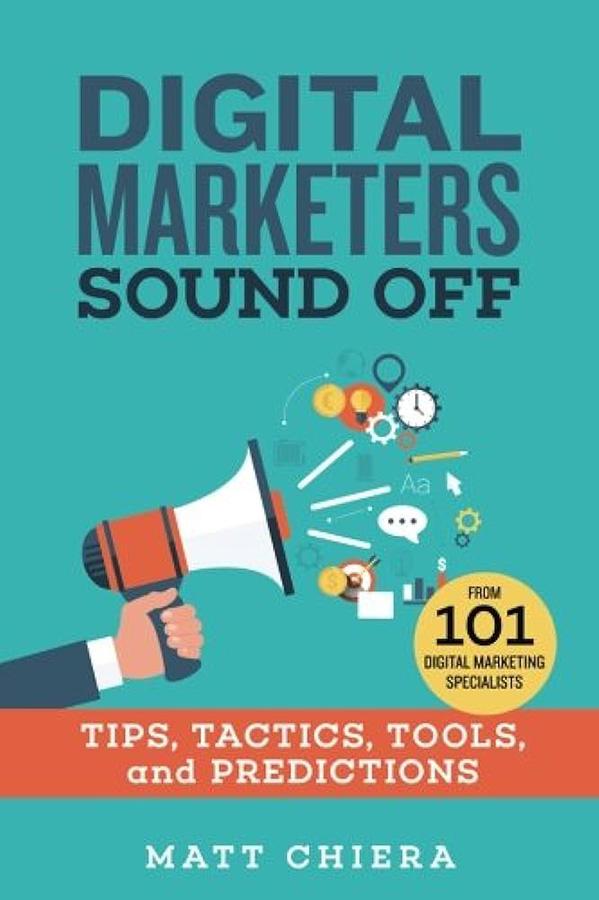
Technology has transformed the way businesses market products and services, making it essential for marketers to stay up to date with the latest trends in digital marketing. In Digital Marketers Sound Off, Matt Chiera interviews some of the most successful and innovative digital marketers in the industry, sharing their experiences and offering insights into the strategies that have led to success.
March 1, 2024
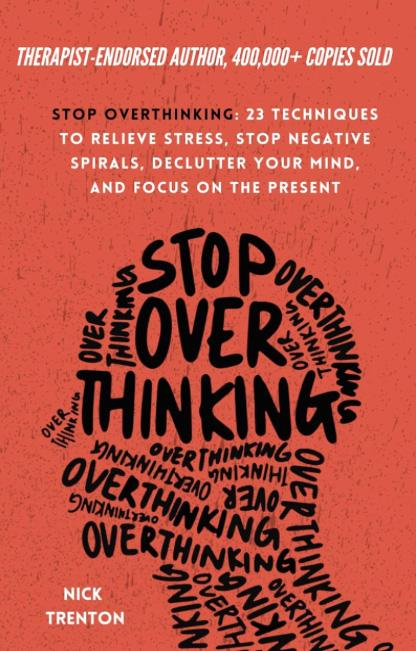
Do you frequently find yourself second guessing past decisions or succumbing to negative thoughts? Are you unbearably stressed or anxious over various events? In the book Stop Overthinking, Nick Trenton outlines several key strategies to combat stress, rumination, and overthinking.
March 1, 2024
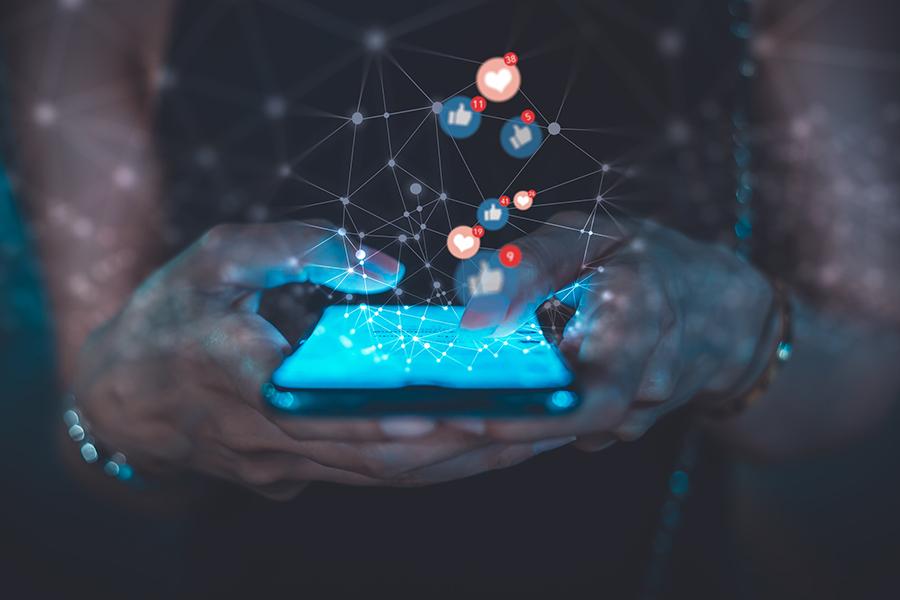
The intent behind advertising is never just to spend money, but to engage consumers. Our research links the use of negations—which advise what not to do through words such as like no, not, can’t, don’t—to increased consumer engagement. Our paper examines how the use of negations impact consumer engagement, while also considering negations’ effect on how powerful brands seem.
March 1, 2024

Having employees of various backgrounds and experience is vital to increasing access to markets, translating to a higher chance of marketplace success. Although industry has noticed the impact that a diverse workforce can have on an organization’s success, we studied whether consumers notice workforce diversity and whether diversity affects consumer response to the firm.
March 1, 2024

The ways in which gender affects negotiations and business interactions has been studied extensively and remains a topic of interest across various fields. Research has not, however, applied these ideas to the real estate industry, where the majority of agents are female. Our research aims to address this gap and answer how agent gender and interactions with agents of the same or different gender affect bargaining power in real estate transactions.
March 1, 2024

Our research investigates the impact of amoral management—a type of leadership approach that is devoid of ethical considerations, or simply, leadership’s failure to respond to situations that have ethical implications—on employees and organizations. We also examine the connection between amoral management and unethical behavior, which has implications in the real estate industry.
March 1, 2024

A firm's onboarding process acts as a foundation in new hires’ perception of the company and sets the stage for their future at the organization. Companies devote hours of time and millions of dollars each year to onboarding new employees and in trying to find the best way to induct new employees into the organization. Our research examines different types of onboarding programs and determines which type best impacts the success of the salesperson.
December 1, 2023
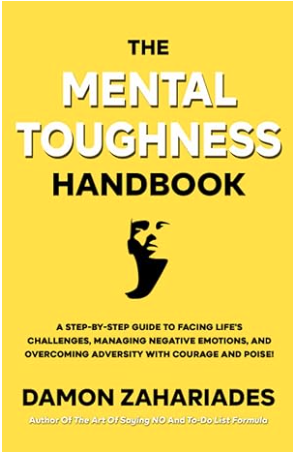
In The Mental Toughness Handbook, Damon Zahariades provides practical advice and strategies for building resilience, perseverance, and self-discipline, skills that are more important than ever in the current climate. By developing mental toughness, we can learn to overcome fear and self-doubt, stay focused on our goals, and navigate the complexities of the world around us.
December 1, 2023
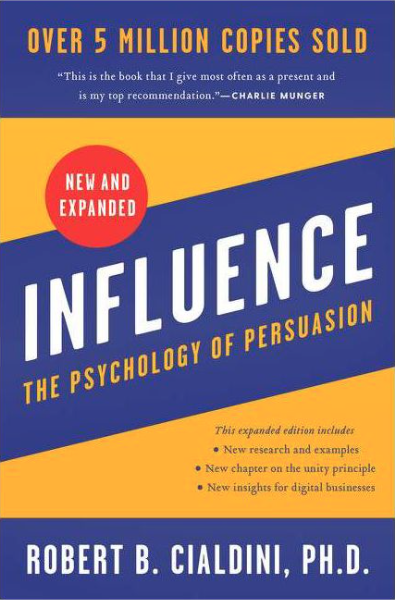
In order to be successful, agents need to be skilled communicators and master persuaders. In Influence: The Psychology of Persuasion, Robert Cialdini leverages insights from his 35 years of evidence-based research to explain the science behind persuasion, delving into what makes people say “yes” to a request or proposal.
December 1, 2023

The prevalence of technology has prompted more people to maintain calendars through a smart device as opposed to a hard copy calendar. But does using a mobile calendar provide the same benefits at the same level as a paper calendar? Our research found that not only do users of paper calendars achieve higher plan fulfillment, but they are more effective at developing higher quality plans by taking a broader, big-picture perspective.
December 1, 2023

Caffeine is a staple in Americans’ consumption habits, but some effects of caffeine consumption may influence the spending behavior of consumers. In this article, we explore how drinking caffeine before shopping affects retail purchasing behavior, and we draw conclusions as to how this can affect both buyers and sellers in real estate.
December 1, 2023

Part of an effective sales approach is to build trust with buyers; however, research suggests 70% of B2B salespeople overestimate customers’ trust in them. Our research aimed to evaluate the effects of salesperson trust overestimation on customer account revenue and word of mouth or the likelihood and quality of referrals.
December 1, 2023

In this study, we demonstrate that female leaders are more inclined to prioritize strong customer relationships compared to their male counterparts in similar roles. We believe this customer centric approach can enhance a company's ability to satisfy customers, ultimately leading to improved financial outcomes.
September 1, 2023
We live in a fast-paced and constantly changing world, and most of us have hundreds of things to accomplish in a short, 24-hour window before we must do it all over again. David Kadavy proposes a new approach to productivity that encourages success by focusing on managing one's mind rather than managing one's time.
September 1, 2023
Creating a workplace that employees love is foundational to any successful organization, and real estate is no exception. In his book, Clint Culver explains how through effective management, you can create an environment where your employees engage, grow, and never want to leave.
September 1, 2023
It is widely understood that a leader's daily emotional expressions can have a significant impact on employees' emotions and work performance. But what about the variability of leaders' emotional expressions across different days? Our research examines how leader affect variability impacts employee work engagement and performance.
September 1, 2023
Humor has been a popular marketing strategy throughout the years. In our research, we argue that if a brand wants to use humor, they benefit more from using clever humor versus merely being funny. When a brand uses clever humor, it is better able to connect with the audience, which can lead to more positive brand attitudes and greater brand engagement.
September 1, 2023
Consumers often believe that salespeople do not have consumers' best interests in mind and, thus, dread the idea of engaging in negotiations with a salesperson. In our research, we focus on the interpersonal relationship between the consumer and the salesperson and examine whether a favor request from a salesperson to the consumer will encourage engagement and the idea of negotiation.
September 1, 2023
While technology has undoubtedly brought many benefits to the workplace, it has also brought a new form of stress known as "technostress." By understanding how technostress negatively influences employee turnover, work-family conflict, and family burnout, firms can better manage potential stressors and create a more positive and productive work environment.
September 1, 2023

Year after year, companies allocate extensive resources toward developing and tracking incentive programs to effectively motivate sales employees. But, do these extrinsic motivators lead to increased sales? In this study, we examine how different types of motivation affect salesperson performance.
June 1, 2023
In Your Next Five Moves: Master the Art of Business Strategy, Patrick Bet-David takes a deep dive into a practical methodology that can be applied to all areas of life, especially business. In just five simple moves, Bet-David lays out what you must do to differentiate yourself from the competition, attract and retain top talent, grow a company exponentially, and identify who you want to be and how you will get there.
June 1, 2023
If you are looking for a way to unleash your culture, motivate your team, drive better results, and attract more customers, then you are not alone. Aligning your culture with your brand to build a marquee culture can help launch your company’s performance to new levels. In Culture Built My Brand, Mark Miller and Ted Vaugh provide practical ways to transform your internal culture to fuel success and performance.
June 1, 2023
Emotional intelligence has historically been considered a key performance indicator, but our research finds that those with emotional calibration, or high emotional intelligence paired with high emotional self-efficacy (how one uses emotions), is a better indicator for sales success.
June 1, 2023
Humans are wired to seek out social interaction, and the Internet gives us endless opportunities to connect. But, contrary to the goal of bringing people together, recent research links increased social media usage to loneliness and perceived isolation. We studied social media use and examined whether it is how social media is used (passively vs. actively) that determines its effects on users’ perceived social connection and well-being.
June 1, 2023
Salespeople are often indoctrinated to love what they sell, but too much enthusiasm from the salesperson may cause the customer to feel pressured and form a tendency to avoid the salesperson and the brand altogether. While brand attachment is important in terms of salesperson effort and performance, it may be equally off-putting for customers.
June 1, 2023
Most people think of extrinsic motivators like salary, time off, and healthcare benefits when thinking about workplace motivation. We find, though, that contributing to something greater than themselves—or feeling a sense of purpose—is a huge motivator for employees, which can drastically impact the value individuals bring to a firm and to clients.
March 1, 2023
The constant hustle and bustle of daily life can overwhelm us to the point that we lose sight of the most important thing: ourselves. In The High 5 Habit, Mel Robbins explains that the simple act of high-fiving yourself in the mirror first thing every morning can help you take charge of your life by restoring confidence and positivity. This daily boost will help you escape negative thoughts, push through anxiety, and turn dreams into reality.
March 1, 2023
For females in the workplace or in leadership, it is easy to feel isolated, out of place, and exhausted after consistently managing perceptions. In her new book, Huddle, Brooke Baldwin examines the powerful concept of a huddle, which empowers women to replace these negative feelings with feelings of being seen, of deserving the position they hold, and of being ready to take risks and challenge the norms in place.
March 1, 2023
In consumer-based businesses, understanding how to effectively design marketing messages is key. Our research on power distance belief brings salespeople one step closer to understanding what is going on in the minds of different consumers which increases the power to persuade audiences through appeals tailored directly toward specific consumer mindsets.
March 1, 2023
Nearly all business exchanges are built around the practice of reciprocity—or exchanging things with others for mutual benefit—which paves the way for feelings of gratitude and indebtedness. This study specifically focuses on how the salesperson's feelings of gratitude and indebtedness impact seller-buyer relationship quality, relationship satisfaction, and customer word of mouth.
March 1, 2023
Social media is the fastest-growing advertising media class in the world and is an incredible tool that can be leveraged to grow business, even when promoting your business organically via non-paid promotions. In this research, we answer two questions: What is the optimal time to post? How are engagement and effectiveness of an organic post affected by the visual location of the web link in the post?